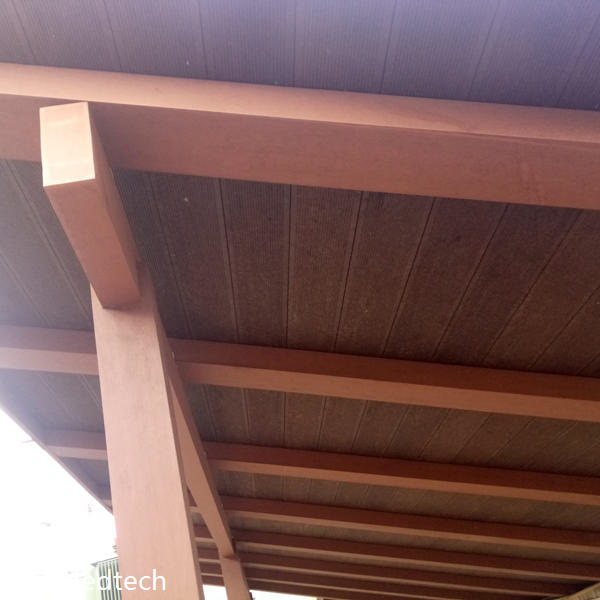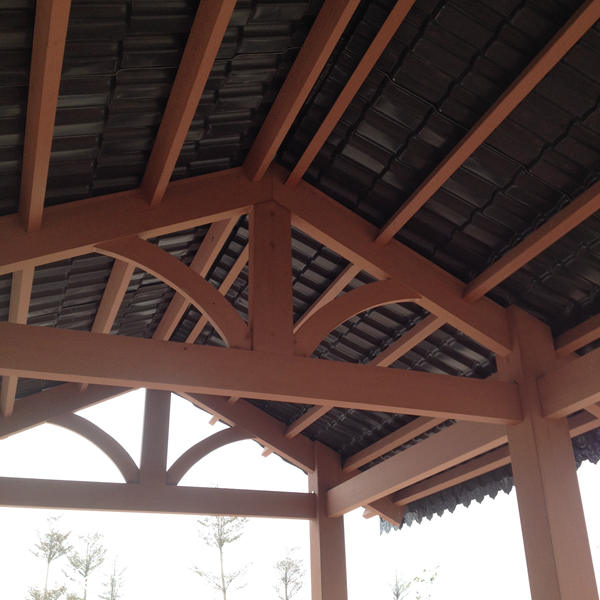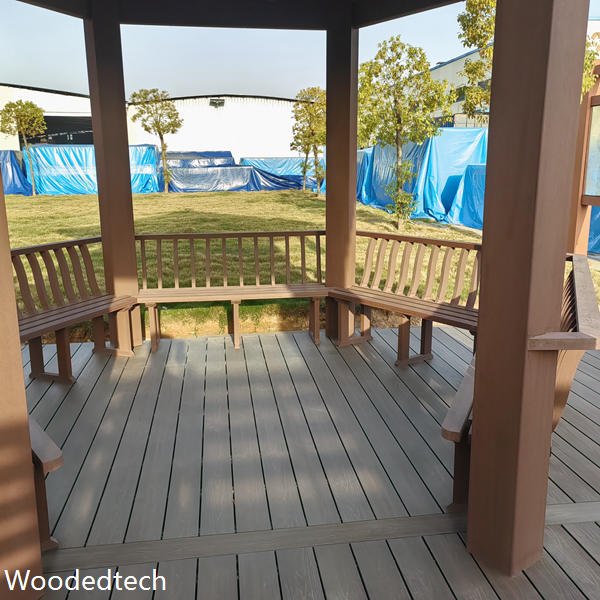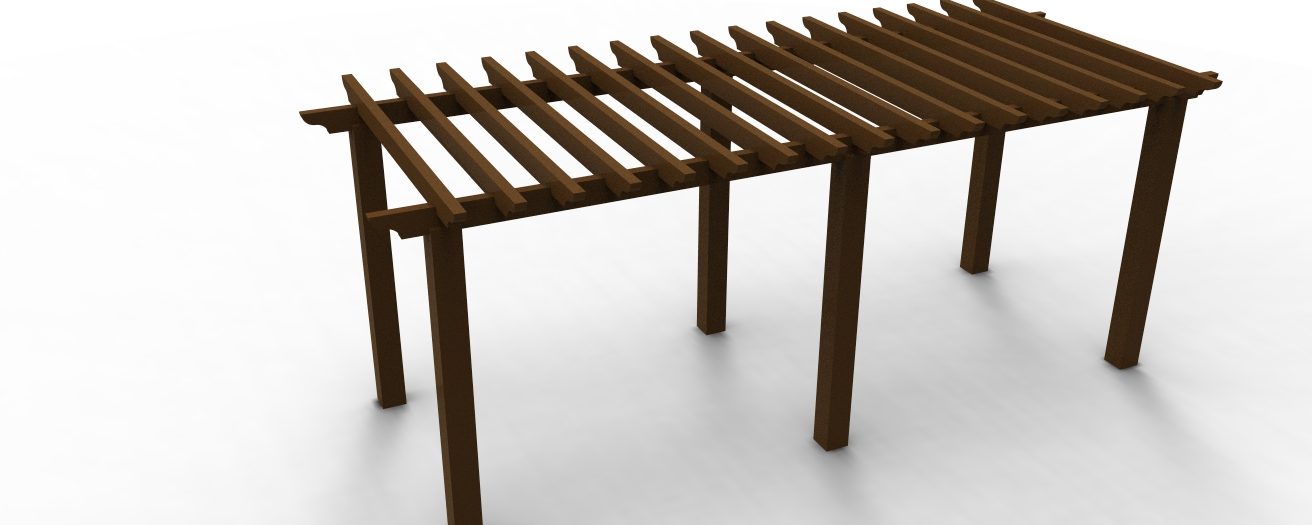
Comment le bois plastique composite Canopy fournit-il un ombrage extérieur durable
Composition matérielle des acalopes composites en bois plastique
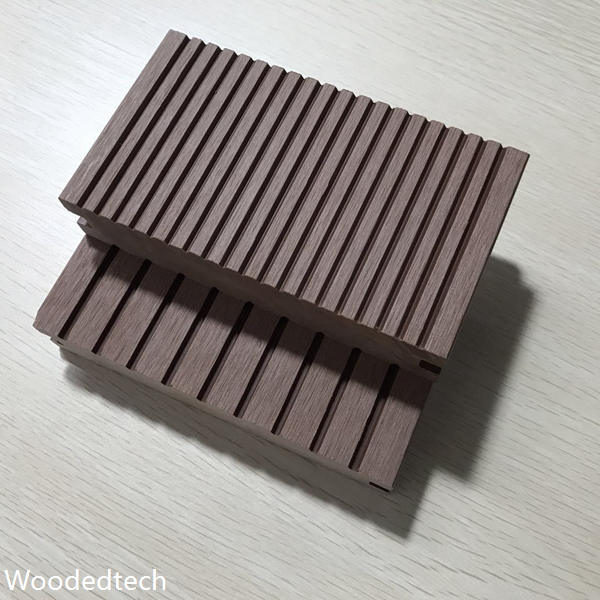
La durabilité et la performance des auvents composites en bois plastique dépendent fortement des matériaux utilisés dans leur production.Les constituants primaires, la poudre de bois et les polymères HDPE ou PVC, se combinent pour former un composite à la fois fonctionnel et esthétiquement attrayant.La poudre de bois fournit l'aspect naturel et la sensation typique du bois, tandis que les polymères offrent la résistance et la résistance nécessaires pour les applications extérieures.Le rapport entre la poudre de bois et les polymères influence de manière significative la résilience du produit final.Une teneur en bois plus élevée peut améliorer l’apparence de la verrière, mais peut compromettre son intégrité structurelle si elle n’est pas correctement équilibrée avec le composant polymère.
En plus de ces matériaux de base, divers additifs jouent un rôle dans l'amélioration des propriétés du composite.Les stabilisateurs UV sont essentiels pour protéger contre les rayons nocifs du soleil, en prévenant la décoloration et la dégradation.En outre, les agents anti-fongiques et antibactériens peuvent être intégrés dans le mélange, ce qui est essentiel pour les produits d'extérieur qui pourraient être exposés à l'humidité et à la croissance organique.La sélection et la combinaison minutieuses de ces matériaux déterminent en fin de compte la longévité et la performance globale de la canopée.
Contrôle de la qualité dans la production
<pAs un ingénieur de contrôle de la qualité des matières premières dans une usine WPC extérieure de premier plan dans le Guangdong, l'évaluation des matériaux entrants est primordiale.Chaque lot de poudre de bois est inspecté pour la taille des particules et la teneur en humidité, en veillant à ce qu'il réponde à nos spécifications prédéterminées.Un matériau trop grossier peut ne pas se lier efficacement avec les polymères, tandis que l'humidité excessive peut entraîner de la moisissure et une détérioration pendant le traitement.D'autre part, les polymères sont évalués pour leur indice de flux de fusion, ce qui indique leur traitabilité et leurs caractéristiques d'écoulement lors de l'extrusion.
L'usine utilise des méthodes d'essai rigoureuses, y compris des tests de résistance à la traction et des évaluations de résistance aux chocs, pour s'assurer que les produits finaux répondent aux normes de l'industrie.Chaque lot de composite est soumis à des tests d'altération qui simulent des conditions extérieures difficiles, ce qui nous permet d'identifier les faiblesses potentielles avant que les verrières n'atteignent le marché.Un contrôle de qualité efficace assure non seulement la durabilité, mais renforce également la confiance des clients dans nos produits.
Performance Sous Stress Environnement
Les auvents composites en bois plastique sont spécialement conçus pour résister à divers facteurs de stress environnementaux.L'une des principales mesures de performance est la résistance aux intempéses.La combinaison de PEHD ou de PVC avec de la poudre de bois crée un produit imperméable à l'absorption d'humidité, prévenant les problèmes tels que le gauchissement, le gonflement ou la fissuration.Cette résistance est essentielle pour maintenir les qualités esthétiques et fonctionnelles de la verrière au fil du temps.De plus, les additifs utilisés dans le processus de fabrication améliorent la capacité du produit à résister à la décoloration de l’exposition aux UV, garantissant une couleur et une qualité de surface constantes.
Les fluctuations de température affectent également les performances de ces auvents.Contrairement au bois traditionnel, qui peut se dilater et se contracter, les composites en bois plastique maintiennent l'intégrité structurelle dans des conditions extrêmes.Cette qualité est vitale pour les installations extérieures, où l'exposition à la chaleur pendant les hivers d'été et froids peut autrement compromettre les matériaux.Le résultat est un produit durable qui non seulement semble bon, mais fonctionne également de manière fiable tout au long de son cycle de vie.
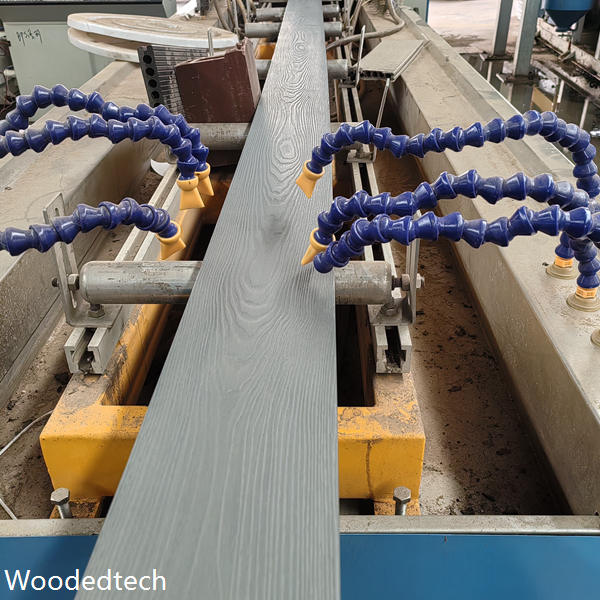
Impact des pigments et des modificateurs
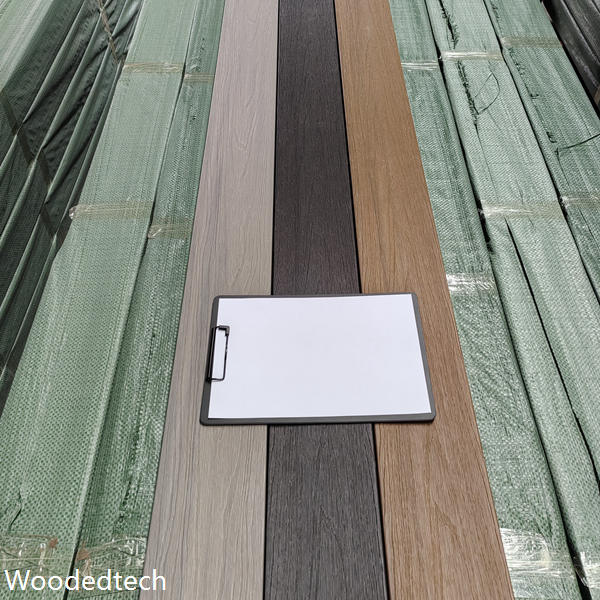
L'attrait esthétique des auvents composites en bois plastique est fortement influencé par les pigments et les modificateurs ajoutés pendant la production.Les pigments fournissent non seulement de la couleur, mais contribuent également à la résistance UV du matériau.Les pigments de haute qualité doivent être choisis pour s’assurer qu’ils ne s’estompent pas avec le temps, ce qui est essentiel pour maintenir l’attractivité du produit dans les environnements extérieurs.Par exemple, des teintes plus foncées peuvent absorber plus de chaleur, affectant potentiellement les performances de la canopée à des températures élevées, de sorte qu'il faut examiner attentivement pendant le processus de sélection.
Les modificateurs jouent également un rôle crucial dans l'amélioration des propriétés physiques du composite.Par exemple, l’intégration de modificateurs d’impact peut améliorer la ténacité et la flexibilité, rendant les auvents plus résistants à la fissuration et à la rupture sous contrainte mécanique.Ceci est particulièrement pertinent dans les zones à fort trafic où des impacts accidentels peuvent se produire.Par conséquent, la connaissance de la façon dont ces matériaux interagissent est essentielle pour développer des auvents haute performance qui répondent à la fois aux exigences fonctionnelles et esthétiques.
Performance sur le terrain et satisfaction de la clientèle
En fin de compte, le succès des auvents composites en bois plastique réside dans leur performance réelle.Les commentaires réguliers des installateurs et des utilisateurs finaux fournissent des données inestimables qui peuvent éclairer le développement futur des produits.Les observations concernant la facilité d'installation, les exigences d'entretien et la durabilité à long terme sont essentielles pour améliorer les gammes de produits.S’engager auprès des clients permet à notre usine de s’adapter aux tendances émergentes et de répondre à toutes les préoccupations ou limitations rencontrées sur le terrain.
L’engagement en faveur de la qualité ne se termine pas par la production.Le service après-vente est tout aussi important, garantissant que tous les problèmes qui se posent pendant l’utilisation de la canopée sont rapidement résolus.Cette approche holistique du contrôle de la qualité, de l'inspection des matières premières à la performance sur le terrain, renforce notre réputation de leader sur le marché des composites de bois plastique.