Cómo elegir la cubierta de madera de polímero para soluciones modernas de sombreado al aire libre
Tendencias actuales en los toldos de madera de polímero
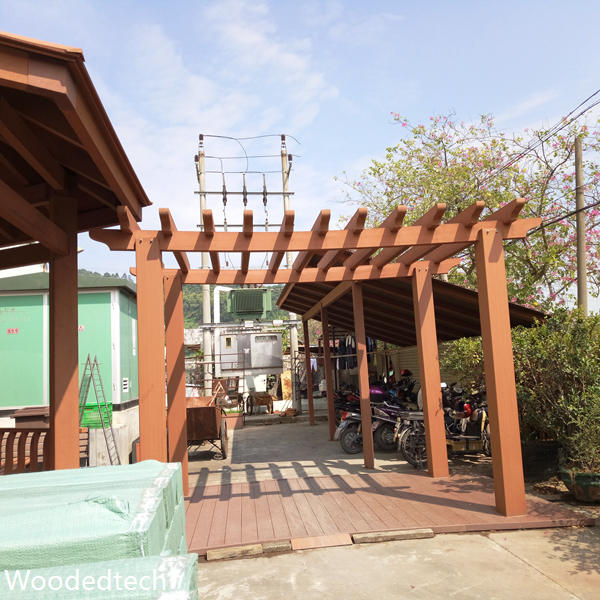
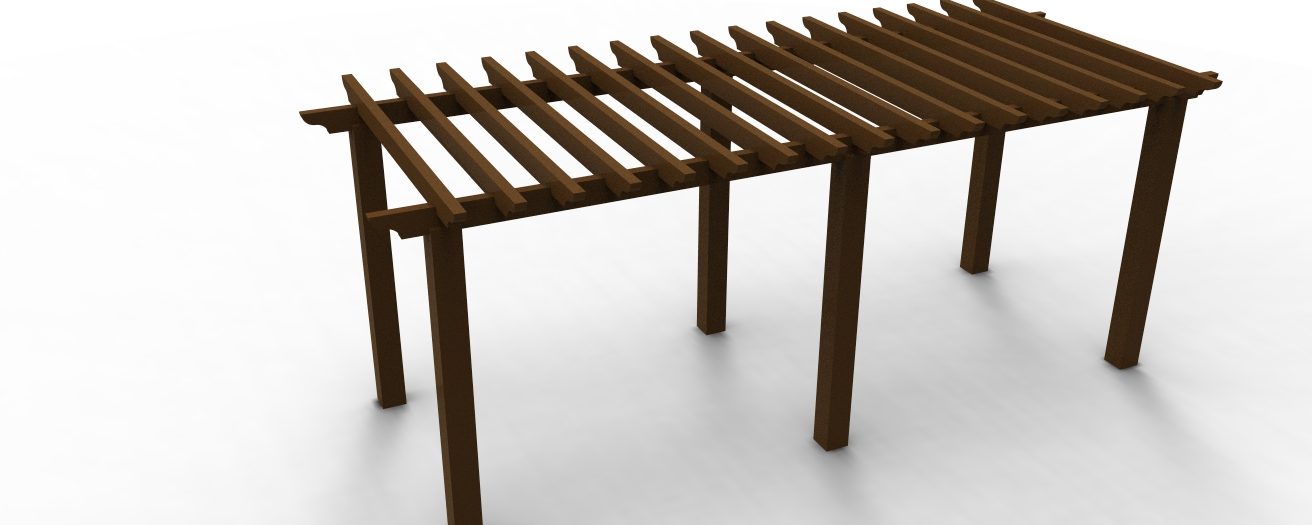
El uso de cubiertas de madera de polímero está ganando rápidamente tracción en varios sectores de la construcción al aire libre.A medida que los estilos arquitectónicos evolucionan, los diseñadores y constructores buscan cada vez más materiales que ofrezcan durabilidad sin comprometer el atractivo estético.La madera de polímero, un material compuesto que combina plástico y fibras de madera, aborda ambas necesidades de manera efectiva.Su capacidad para imitar el aspecto natural de la madera al tiempo que proporciona una mayor resistencia a la intemperie y la descomposición es atractiva para los consumidores modernos interesados en la sostenibilidad.El cambio hacia soluciones ecológicas está impulsando aún más la demanda de estos productos, ya que a menudo incorporan materiales reciclados y contribuyen a reducir las huellas de carbono.
Internacionalmente, el mercado de materiales de construcción al aire libre se está expandiendo significativamente.Regiones como América del Norte y Europa están a la vanguardia, con un notable aumento en la preferencia de los consumidores por las soluciones de paisajismo de bajo mantenimiento, incluidas las cubiertas de madera de polímero.Esta tendencia se refleja en un aumento de los espacios de vida al aire libre diseñados para el ocio y la relajación, que a menudo presentan los doseles como elementos esenciales.Los datos indican que se espera que el mercado global de productos de madera de polímero crezca, impulsado por las innovaciones en la fabricación y el diseño que hacen que estos productos sean aún más versátiles y atractivos.
Beneficios de los toldos de madera de polímero
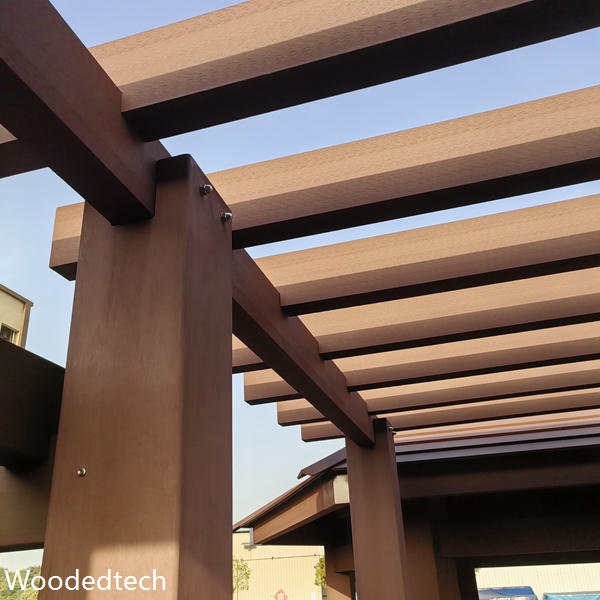
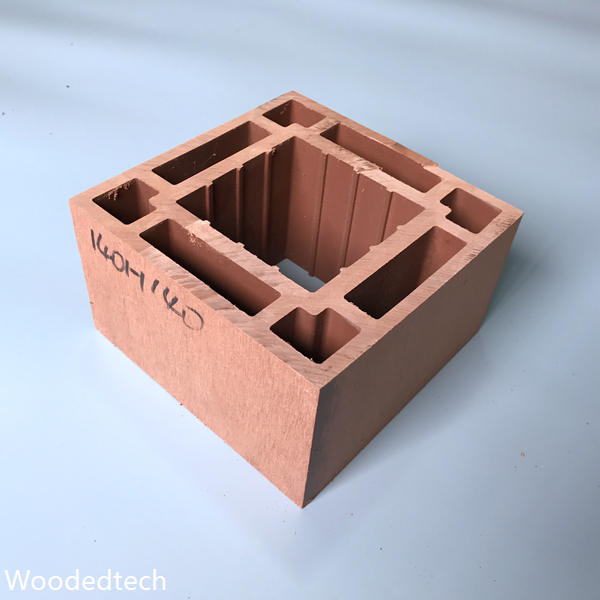
Una de las principales ventajas de las cubiertas de madera de polímero es su resistencia.A diferencia de las estructuras de madera tradicionales, que son propensas a la pudrición, la deformación y el daño a los insectos, la madera de polímero mantiene su integridad estructural con el tiempo.Esta durabilidad se traduce en menores costos de mantenimiento y períodos más largos entre reemplazos, lo que lo convierte en una inversión financieramente sólida para los propietarios.Además, estas cubiertas a menudo están diseñadas para ser resistentes a los rayos UV, asegurando que conserven su color y terminen incluso bajo una exposición prolongada a la luz solar.
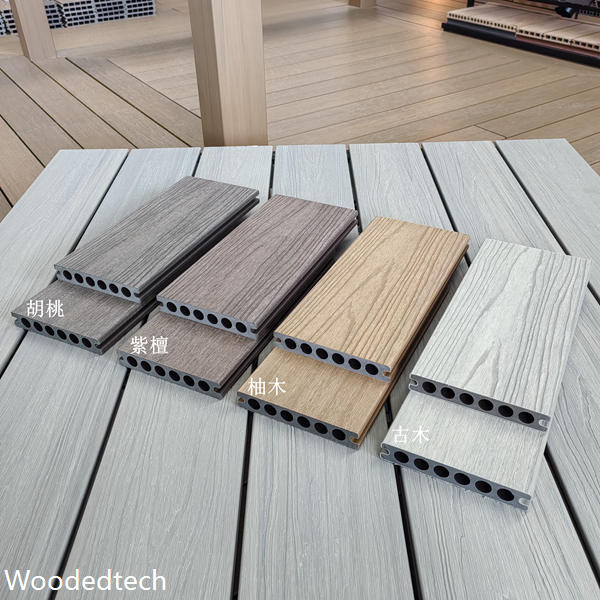
Otro beneficio notable es la variedad de estilos y acabados disponibles.La madera de polímero se puede fabricar para imitar varios tipos de madera, lo que permite a los arquitectos y diseñadores mantener la estética deseada mientras se utilizan materiales modernos.Esta flexibilidad hace que sea más fácil integrar los doseles en diversos estilos arquitectónicos, desde contemporáneos hasta rústicos, atrayendo así a una amplia base de consumidores.
Oportunidades de mercado futuro en materiales de construcción al aire libre
<pAs la demanda de materiales de construcción sostenibles aumenta, el segmento de vida al aire libre presenta oportunidades lucrativas para los fabricantes y proveedores de productos de madera de polímero.La tendencia actual de crear espacios de vida al aire libre, como patios, cubiertas y jardines, sugiere que los doseles de madera de polímero jugarán un papel fundamental en los desarrollos futuros.La urbanización ha llevado a un aumento significativo en la necesidad de espacios al aire libre funcionales pero elegantes, particularmente en áreas densamente pobladas donde los jardines privados pueden ser limitados.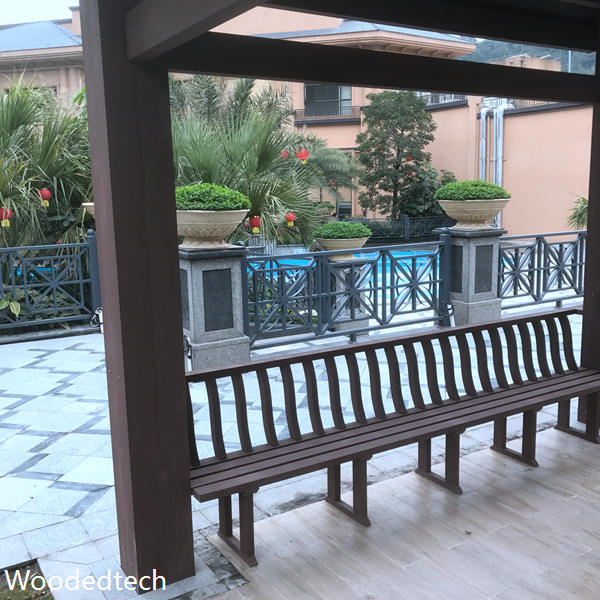
Además, la integración de la tecnología en las estructuras exteriores está en aumento.Comienzan a surgir marquesinas inteligentes equipadas con sensores para la monitorización del clima y mecanismos de apertura automatizados.Este avance tecnológico no solo mejora la experiencia del usuario, sino que también posiciona las cubiertas de madera de polímero como una solución con visión de futuro dentro del mercado, atrayendo a consumidores conocedores de la tecnología que valoran la innovación.
Análisis comparativo: Madera de polímero vs.Materiales tradicionales
Al considerar soluciones de sombreado al aire libre, un análisis comparativo revela que las cubiertas de madera de polímero tienen varias ventajas sobre la madera tradicional.Los doseles de madera tradicionales a menudo requieren un mantenimiento extenso, incluidos los tratamientos regulares para prevenir la pudricacie y la descomposición.Por el contrario, la madera de polímero requiere un mantenimiento mínimo, lo que permite a los propietarios disfrutar de sus espacios al aire libre sin el mantenimiento oneroso típicamente asociado con la madera.La longevidad asociada con la madera de polímero también ofrece un caso convincente para los constructores y contratistas, que pueden recomendar con confianza estos productos en función de su durabilidad y rentabilidad.
Además, el impacto ambiental de las cubiertas de madera de polímero es significativamente menor que el de las alternativas tradicionales de madera.Muchos fabricantes se están centrando en la producción de madera de polímero a partir de materiales reciclados, lo que contribuye a la reducción de residuos.Este aspecto resuena bien con los consumidores conscientes del medio ambiente que están priorizando cada vez más la sostenibilidad en sus decisiones de compra.
Estrategias de entrada en el mercado global
<pPara las empresas que buscan entrar en el mercado de cubiertas de madera de polímero, la comprensión de las preferencias regionales y los estándares de cumplimiento es esencial.Diferentes países pueden tener diferentes regulaciones con respecto a los materiales de construcción al aire libre, que pueden influir en las estrategias de entrada al mercado.Las empresas deben realizar investigaciones de mercado exhaustivas para identificar posibles bases de clientes y canales de distribución, al tiempo que consideran asociaciones con constructores y arquitectos locales que puedan abogar por las ventajas de sus productos.