¿Cómo mejora el mecanizado de treillage de polímero de madera diseños personalizados para exteriores
Mejora de los diseños al aire libre con el mecanizado del treillage del polímero de madera
Los compuestos de polímero de madera (WPC) han revolucionado el diseño al aire libre, ofreciendo una notable durabilidad y atractivo estético.La llegada del mecanizado de treillage de polímero de madera sirve como un cambio de juego, permitiendo a los fabricantes producir diseños intrincados con precisión.Esta tecnología integra las ventajas de la madera y los polímeros, dando como resultado productos que resisten los factores estresantes ambientales manteniendo una apariencia natural.Con la capacidad de crear formas personalizadas y patrones elaborados, el mecanizado de treillage permite a los diseñadores de exteriores elevar sus proyectos más allá de las limitaciones tradicionales.
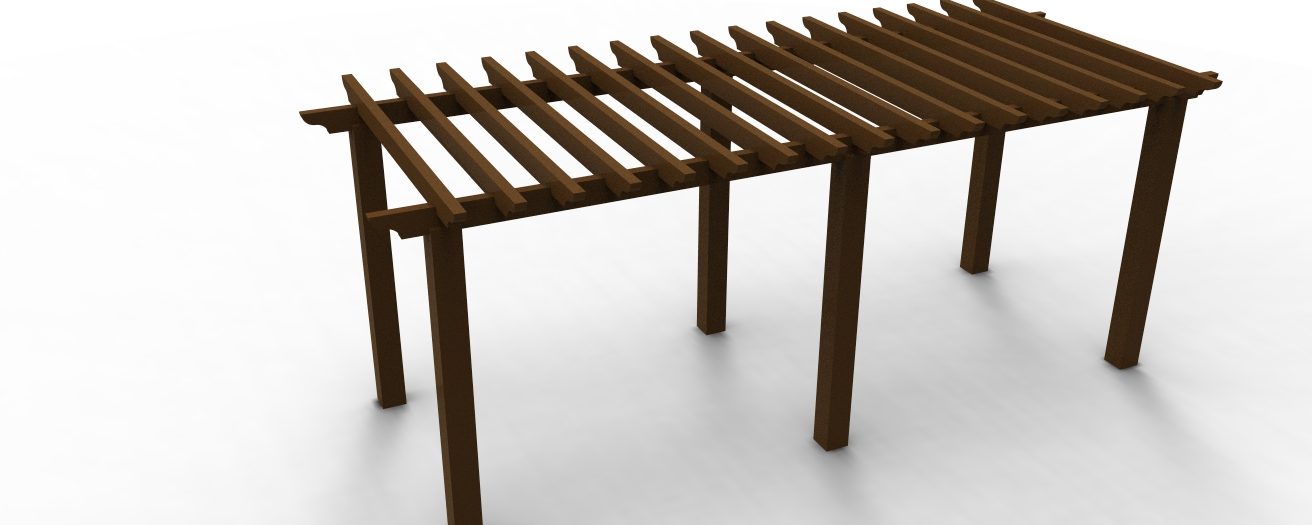
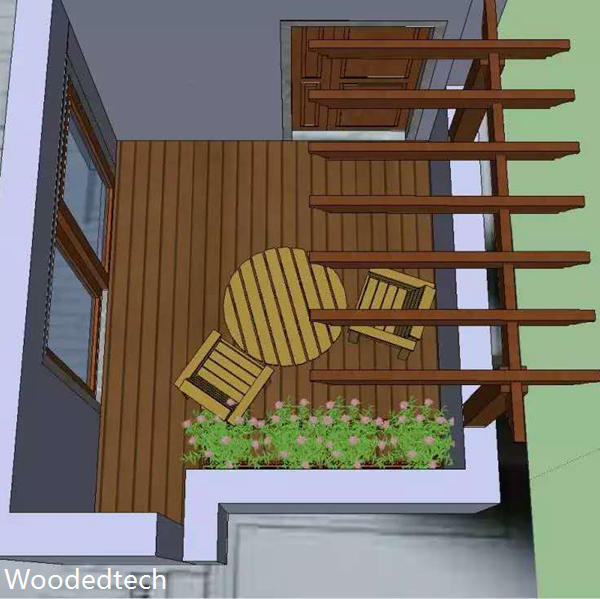
El proceso de mecanizado implica cortar, conformar y terminar materiales WPC para lograr las especificaciones deseadas para productos para exteriores.Como resultado, los diseñadores pueden incorporar geometrías complejas en sus proyectos, ya sea para enrejados decorativos, pérgolas o cercas.La flexibilidad en el diseño que ofrece el mecanizado de treillage de polímero de madera no solo satisface las preferencias de estilo únicas, sino que también aborda los requisitos prácticos de los ambientes al aire libre.
Oportunidades de personalización para espacios al aire libre
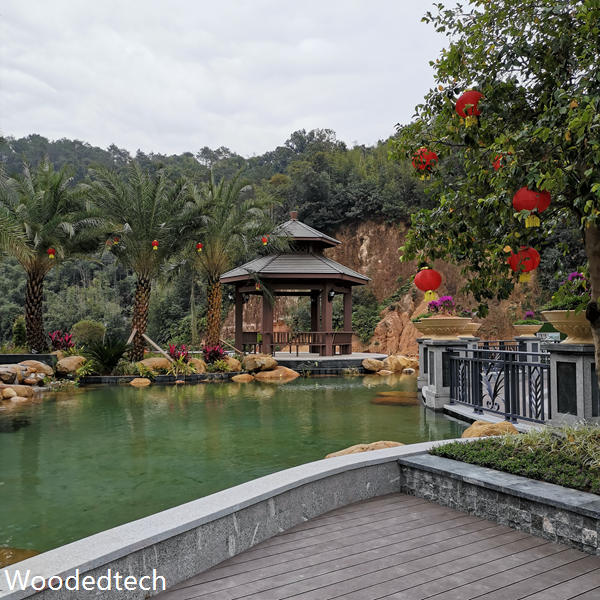
El potencial de personalización del mecanizado de treillage de polímero de madera es enorme, por lo que es una herramienta invaluable para arquitectos y paisajistas.A diferencia de los materiales de madera tradicionales, que pueden requerir un tratamiento y mantenimiento extensivos, los productos WPC están diseñados para la longevidad.Resisten la humedad, los rayos UV y el daño a los insectos, lo que permite diseños personalizados para exteriores que resisten la prueba del tiempo.Este aspecto es particularmente atractivo para los compradores internacionales que buscan opciones sostenibles y de bajo mantenimiento.
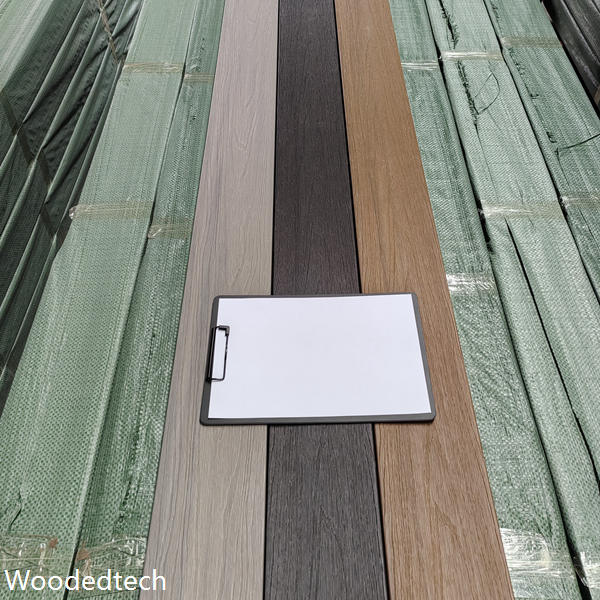
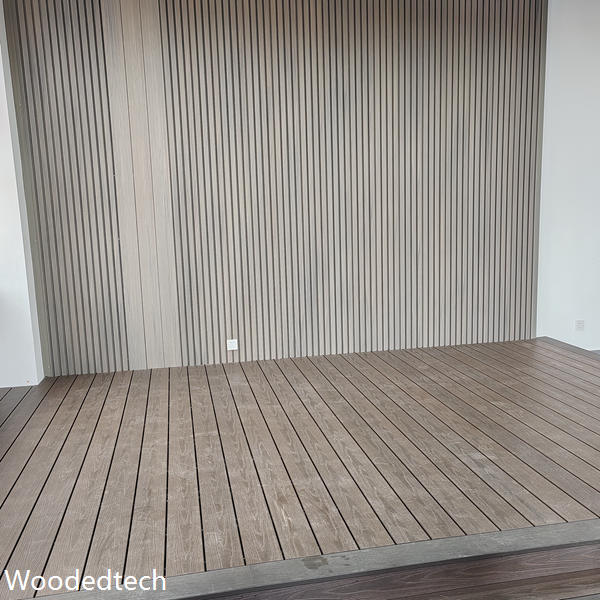
Además, la versatilidad de los compuestos de polímero de madera significa que los diseñadores pueden elegir entre una variedad de colores y texturas durante el proceso de mecanizado, lo que lleva a una amplia paleta para la creatividad.Esto no solo mejora el atractivo visual de las estructuras al aire libre, sino que también permite la integración perfecta de estas características en diversos estilos arquitectónicos, desde modernos hasta rústicos.
Ingeniería de precisión y experiencia en fabricación
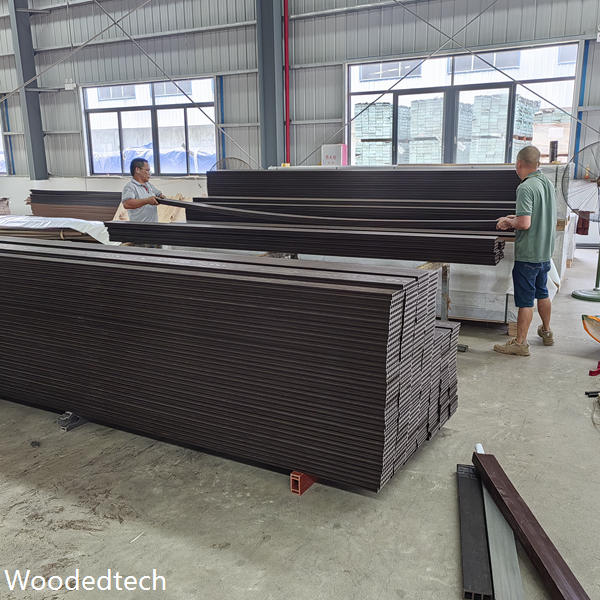
El proceso de mecanizado de treillage de polímero de madera requiere un alto nivel de precisión, lo que afecta directamente la calidad general del producto final.Los fabricantes especializados en tecnología WPC emplean maquinaria y técnicas de vanguardia para garantizar que cada corte y acabado cumpla con los estándares más exigentes.Esta experiencia en ingeniería garantiza un rendimiento consistente en todos los productos, fomentando la confianza con los clientes que exigen fiabilidad en sus materiales.
Además, los fabricantes pueden proporcionar soluciones a medida adaptadas a los requisitos específicos, lo que permite satisfacer las demandas de nicho y atender a varios segmentos del mercado.Esta adaptabilidad es un componente crítico para las empresas que apuntan a seguir siendo competitivas en un mercado global, donde las preferencias de los consumidores se inclinan cada vez más hacia soluciones al aire libre personalizadas y sostenibles.
Consideraciones ambientales en el diseño al aire libre
Con una creciente conciencia sobre los problemas ambientales, el uso de compuestos de polímero de madera hechos a través del mecanizado de treillage se alinea con las prácticas de construcción sostenibles.Los productos WPC a menudo provienen de materiales reciclados, lo que contribuye a una reducción de los residuos y promueve una economía circular.Para los compradores enfocados en soluciones ecológicas, invertir en maquinaria de trillaje de polímero de madera no solo mejora su oferta de productos, sino que también posiciona su marca como una opción responsable en el mercado.
Este compromiso con la sostenibilidad se está convirtiendo cada vez más en un punto de venta en los mercados internacionales, donde los compradores están dispuestos a invertir en productos que reflejen sus valores.Al elegir materiales WPC para aplicaciones al aire libre, las empresas pueden aprovechar este creciente grupo demográfico al tiempo que ofrecen soluciones de diseño de vanguardia.
El futuro de los diseños al aire libre con WPC
El futuro del diseño al aire libre está en manos de fabricantes y diseñadores innovadores que reconocen el potencial del mecanizado de treillage de polímero de madera.A medida que la tecnología continúa avanzando, se anticipa que surgirán nuevas técnicas de mecanizado, mejorando aún más las capacidades de los materiales de WPC.Esta evolución hará las delicatesas a los diseñadores y arquitectos al aire libre a medida que exploran nuevas fronteras en sus proyectos.
La incorporación del mecanizado de treillage de polímero de madera en sus ofertas permite a los fabricantes mantenerse a la vanguardia de las tendencias de diseño al aire libre.Al adoptar los avances en la tecnología, las empresas pueden garantizar que no solo cumplan con las demandas actuales, sino que también anticipen las tendencias futuras, manteniendo sus marcas relevantes en un panorama competitivo.