Wie verbessert der Holz-Kunststoff-Verbundgitterzaun die Privatsphäre des Gartens
Timber Plastic Composite Lattice Fence
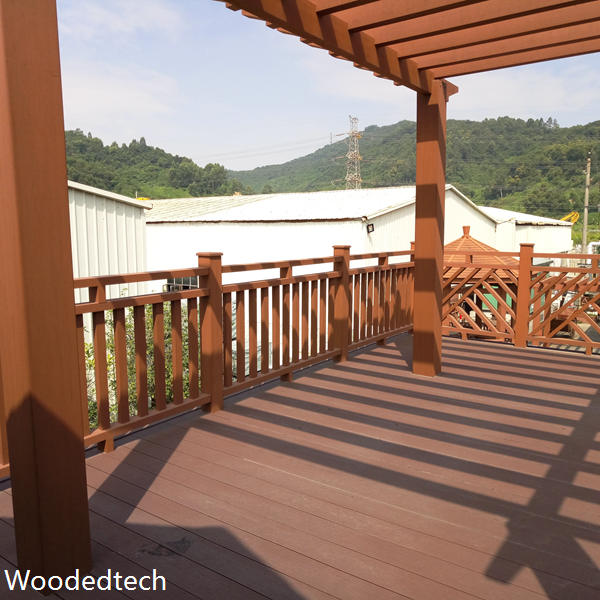
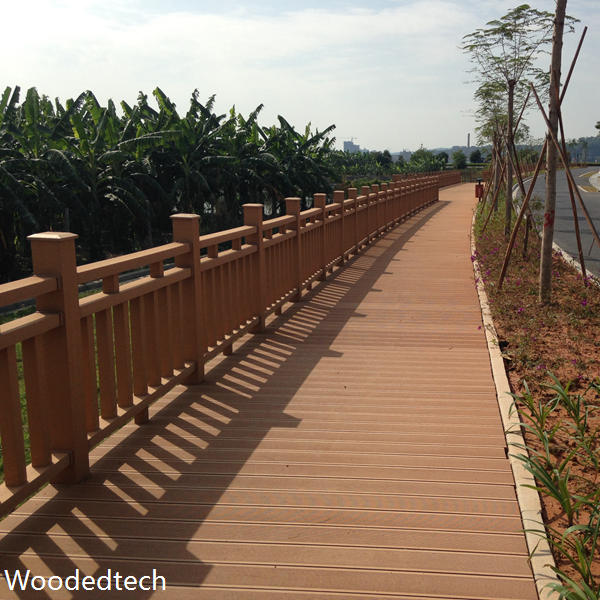
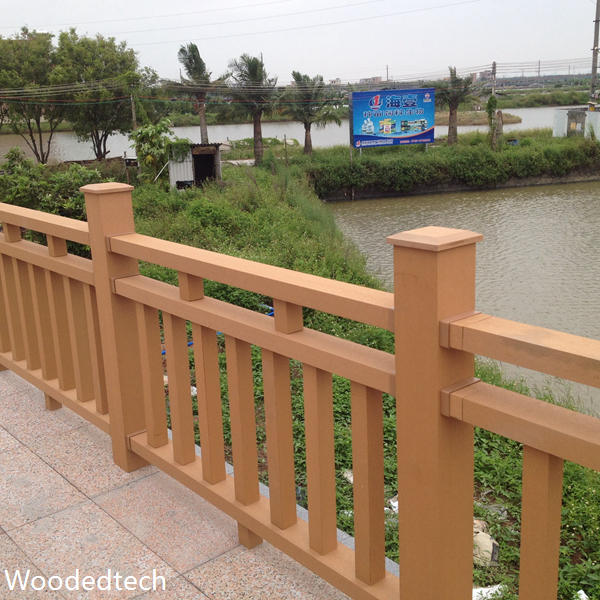
Timber plastic composite lattice fences have emerged as a popular choice for enhancing garden privacy while adding aesthetic appeal. These structures combine the natural beauty of timber with the durability of plastic, creating an ideal solution for homeowners looking to create a serene outdoor space. As a WPC extrusion technology engineer, I have witnessed the growing demand for these products and the intricate processes involved in their production. Understanding the extrusion process can shed light on how quality is maintained and the benefits of these composite materials.
The Extrusion Process of Timber Plastic Composites
The production of a timber plastic composite lattice fence begins with the careful selection and mixing of raw materials. This involves combining wood fibres and thermoplastics, typically polyethylene or polypropylene. The ratio of these materials is crucial, as it determines the final product’s performance characteristics, such as strength, flexibility, and weather resistance. Once the materials are blended, they are subjected to a pelletizing process to create uniform pellets that facilitate controlled heating and processing in the extrusion phase.
Temperature Control During Extrusion
Extrusion temperature control is an essential aspect of producing high-quality WPC products. The pellets are fed into an extruder, where they are heated to specific temperatures. This heating must be meticulously managed to ensure that the wood fibres do not degrade while the thermoplastics melt. The temperature profile of the extruder is carefully calibrated to achieve a uniform melt flow, allowing for optimal shaping and forming into lattice panels. Variations in temperature can lead to inconsistencies, impacting the product’s final appearance and rigidity.
Mold Design and Its Impact
The design of the mould used in the extrusion process is another critical factor in manufacturing timber plastic composite lattice fences. Moulds must be engineered to accommodate the desired lattice pattern and dimensions while ensuring proper material flow during extrusion. Precision in mould design can prevent issues such as flow marks or uneven density, which can compromise the structural integrity of the fence. Advanced computer-aided design (CAD) tools are typically employed to create intricate mould geometries that enhance aesthetic appeal while maintaining functional performance.
Cooling Calibration for Quality Control
After the extrusion process, the newly formed lattice panels undergo a cooling calibration stage. Proper cooling is vital to solidify the material while retaining the desired shape and finish. Cooling too quickly can induce stresses within the material, leading to warping or cracking, whereas slow cooling might result in surface defects. Engineers utilise various cooling techniques, such as water baths or ambient air cooling, to control the cooling rate and ensure that the end product meets quality standards.
Surface Treatment and Finishing Touches
The final stages of producing a timber plastic composite lattice fence involve surface treatment and finishing. This can include texturing, colour application, or protective coatings that enhance the fence’s appearance and longevity. Surface treatments not only improve aesthetics but also provide additional protection against UV degradation and moisture. These treatments must be applied uniformly to guarantee a consistent look across all panels, ensuring a high-quality end product that meets consumer expectations.
Gemeinsame Produktionsherschen
The Advantages of Timber Plastic Composite Fences
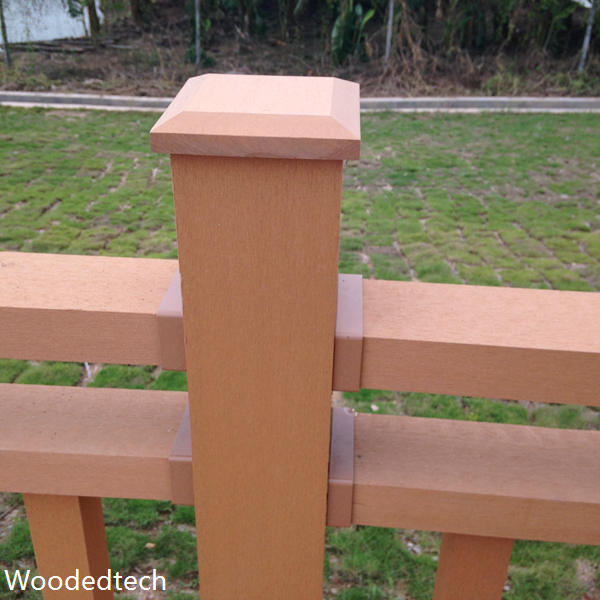
Timber plastic composite lattice fences present numerous advantages for homeowners aiming to enhance garden privacy. Their inherent resistance to rot and decay, combined with low maintenance requirements, makes them a practical alternative to traditional wooden fences. Furthermore, the aesthetic appeal of these composites can seamlessly blend into various outdoor styles, adding value to properties. With their enhanced durability and performance, timber plastic composite fences stand out as a superior choice for anyone looking to build a beautiful, private outdoor retreat.