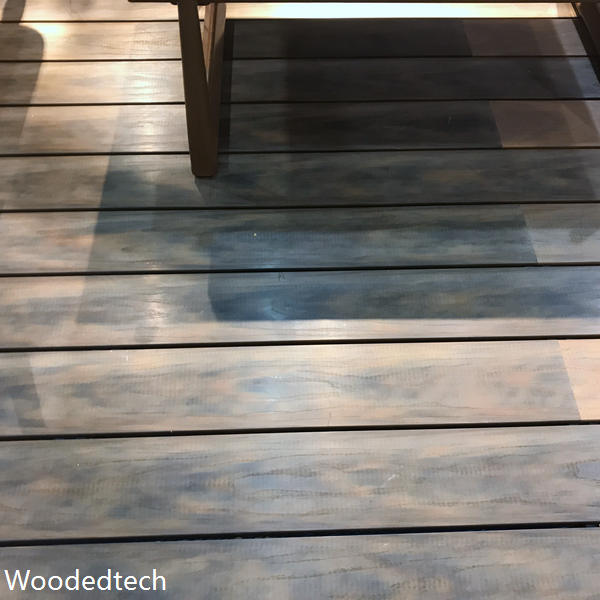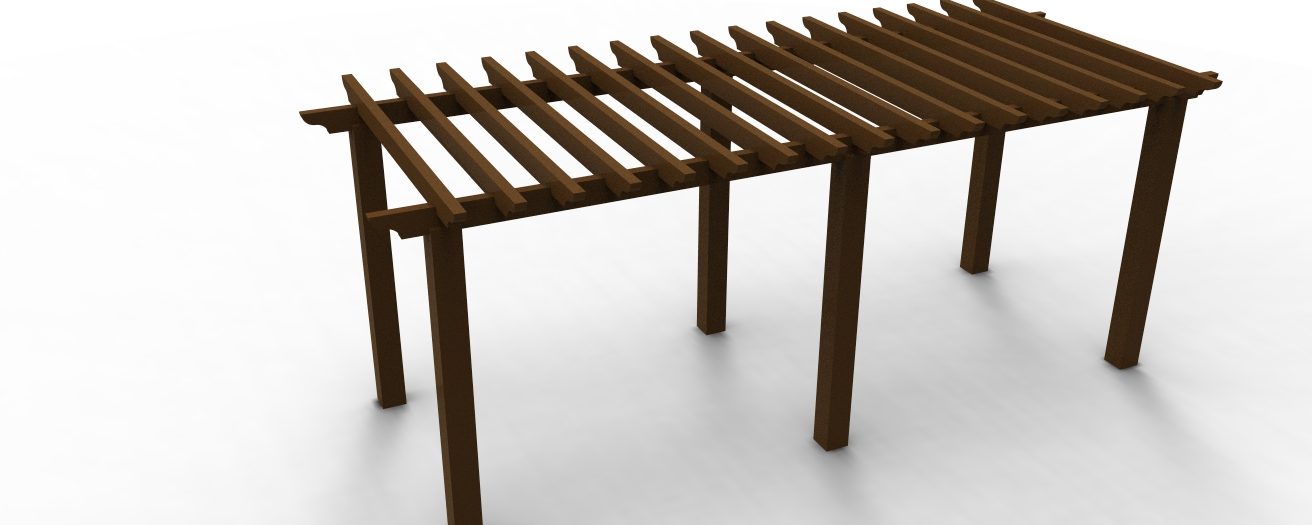
Wie zeigt das Projektportfolio von Kolonnadenholzkunststoff-Projekten Außenkompositdesigns
Vorbereitung für WPC-Belagsanlage
Bevor Sie mit der Installation von WPC-Belags- und Wandverkleidungssystemen beginnen, ist es wichtig, den Hilfsrahmen ausreichend vorzubereiten.Beginnen Sie damit, sicherzustellen, dass das Gebiet frei von Trümmern, Vegetation oder vorhandenen Strukturen ist, die die Installation beeinträchtigen könnten.Der Boden sollte eben sein, was eine ordnungsgemäße Entwässerung ermöglicht, um eine Wasseransammlung zu verhindern.Überprüfen Sie mit einem Wasserwaagen auf Unregelmäßigkeiten in der Oberfläche.Bei Bedarf werden Anpassungen vorgenommen, indem Sie den Boden hinzufügen oder entfernen und ihn fest verdichten.
Sobald die Oberfläche vorbereitet ist, besteht der nächste Schritt darin, den Hilfsrahmen zu verlegen.Verwenden Sie behandeltes Holz oder Aluminium, das Haltbarkeit und Verfallsbeständigkeit bietet.Der Hilfsrahmen sollte entsprechend beabstandet sein, typischerweise in Abständen von 400mm bis 600mm, abhängig von den Belastungsanforderungen und den Spezifikationen der WPC-Platten.Sichern Sie den Hilfsrahmen mit Schrauben oder Schrauben und stellen Sie sicher, dass er eben und stabil ist.
Fixiermethoden für WPC-Belag
Bei der Installation von WPC-Decken können verschiedene Befestigungsmethoden mit jeweils eigenen Vorteilen eingesetzt werden.Zu den gängigsten Methoden gehören versteckte Clip-Systeme und Face-fixing.Für versteckte Clipsysteme ermöglichen vorgebohrte Löcher in den WPC-Platten, dass Clips ohne sichtbare Schrauben am Hilfsrahmen befestigt werden können, wodurch ein sauberes und ästhetisch ansprechendes Finish entsteht.
Bei der Gesichtsbefestigung werden dagegen die Bretter direkt in den Hilfsrahmen eingeschraubt.Diese Methode sorgt für einen stärkeren Halt, kann aber sichtbare Schraubenköpfe hinterlassen.Es ist ratsam, Edelstahlschrauben zu verwenden, um Korrosion zu verhindern und die Langlebigkeit zu gewährleisten.Welche Methode auch immer gewählt wird, stellen Sie sicher, dass die Boards in einem gestaffelten Muster für eine stabilere Struktur installiert werden.
Erweiterungslücken und Schneidtechniken
Ausdehnungslücken sind bei der Installation von WPC-Belagen von entscheidender Bedeutung, da sie die natürliche Ausdehnung und Kontraktion von Materialien aufgrund von Temperaturänderungen ermöglichen.Um diese Änderungen sollte ein Abstand von mindestens 5mm an den Rändern und zwischen den Brettern belassen werden.Es ist wichtig, sicherzustellen, dass diese Lücken während der gesamten Installation aufrechterhalten werden, um ein Verziehen oder Knicken des Belags zu verhindern.
<pWenn Sie WPC-Platten schneiden, verwenden Sie eine feinzahnige Säge, um saubere Kanten zu erreichen und das Absplittern zu minimieren.Markieren Sie die Bretter vor dem Schneiden genau und tragen Sie immer eine geeignete Sicherheitsausrüstung.Für komplizierte Designs oder detaillierte Schnitte kann ein Puzzle erforderlich sein, um die gewünschte Form zu erreichen und gleichzeitig die Integrität des Boards zu erhalten.WPC Wandverkleidung Installation
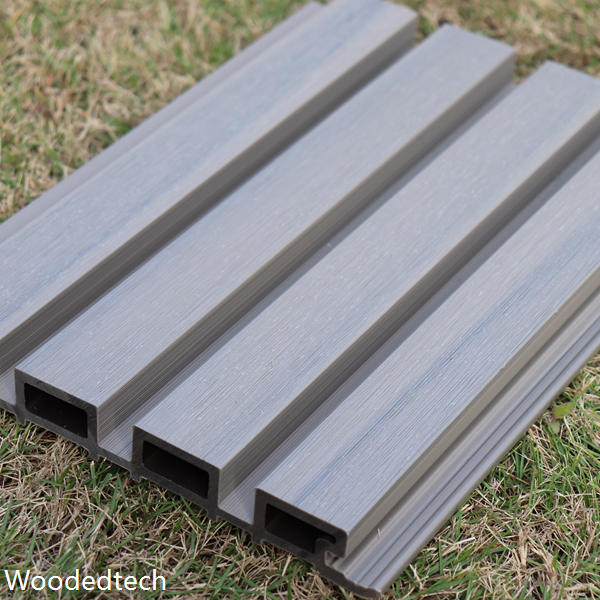
Die Installation von WPC-Wandverkleidungen folgt einem ähnlichen Vorbereitungsprozess wie der Terrassenbelag.Stellen Sie sicher, dass die Wandoberfläche sauber und trocken ist, frei von loser Farbe oder Schmutz.Wenn nötig, wende eine Feuchtigkeitsbarriere auf, um die Wand vor Feuchtigkeit zu schützen.Die Verkleidungsplatten sollten je nach gewünschter Ästhetik horizontal oder vertikal mit den gleichen Abstands- und Befestigungsmethoden wie der Decking installiert werden.
Bei der Fixierung von Wandverkleidungen sollten Sie zusätzlich zu mechanischen Befestigungsmitteln zusätzlich zu mechanischen Befestigungsmitteln einen Klebstoff für zusätzliche Stabilität in Betracht ziehen, insbesondere in Bereichen, die zu starken Winden neigen.Stellen Sie sicher, dass auch an den vertikalen Kanten und an der Oberseite der Verkleidung Dehnungsspalte eingehalten werden, um eine Bewegung zu ermöglichen.
Wartungstipps für WPC-Decking und Verkleidung
<pUm die Langlebigkeit zu gewährleisten und das Aussehen von WPC-Belag und Wandverkleidung zu erhalten, ist eine regelmäßige Wartung unerlässlich.Die Reinigung der Oberfläche mit einem milden Reinigungsmittel und Wasser mindestens zweimal im Jahr hilft, Schmutz, Algen und Flecken zu entfernen.Die Verwendung eines Softborstelsens oder eines Hochdruckreinigers bei niedriger Einstellung kann die Oberfläche effektiv reinigen, ohne das Material zu beschädigen.Überprüfen Sie außerdem die Installation regelmäßig auf lose Bretter, Gebrauchsspuren oder Beschädigungen.Die unverzügliche Lösung dieser Probleme wird die Entwicklung wichtigerer Probleme verhindern.Wenn kleine Kratzer oder Flecken auftreten, können sie oft mit Schleifpapier oder Aufforstungsfarbe ausgepufft werden.
Präsentation des Projektportfolios aus Holzkunststoff in Kolonnade
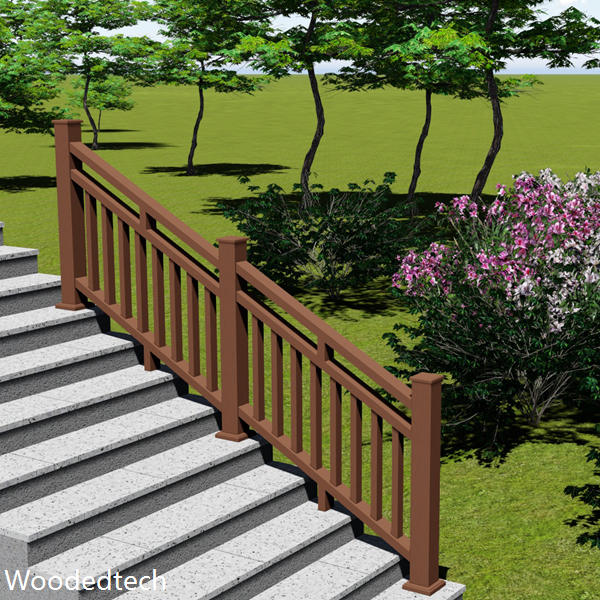
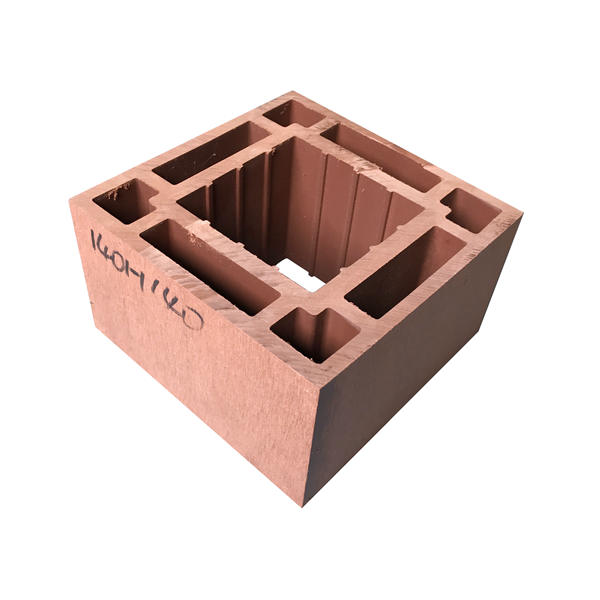
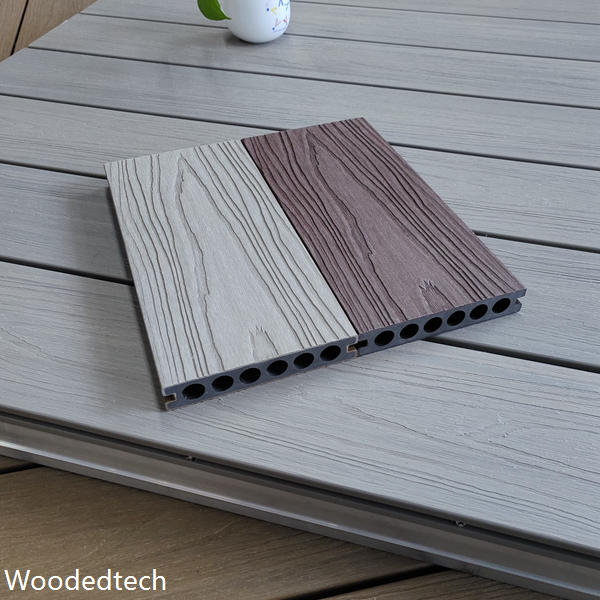
Das Projektportfolio des Kolonnadenholz-Kunststoffs dient als hervorragende Referenz für diejenigen, die innovative Outdoor-Verbunddesigns erkunden möchten.Durch verschiedene Projekte unterstreicht dieses Portfolio die Vielseitigkeit und Ästhetik von WPC-Materialien in verschiedenen Anwendungen, von Wohndecks bis hin zu gewerblichen Wandverkleidungen.
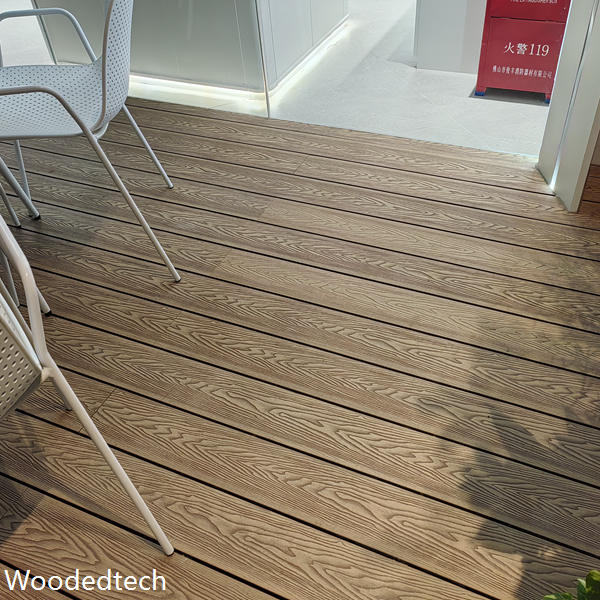
Durch die Einhaltung der Richtlinien für die Installation und Wartung können Profis atemberaubende Außenräume schaffen, die die Schönheit und Funktionalität von WPC-Produkten zeigen.Dies verbessert nicht nur das Äußere von Häusern und Unternehmen, sondern trägt auch zur Nachhaltigkeit bei, indem es recycelte Materialien verwendet.