Kunststoff-Holz-Verbundloggie vs. Holz für moderne Außenbereiche
Kunststoff Holz Composite verstehen
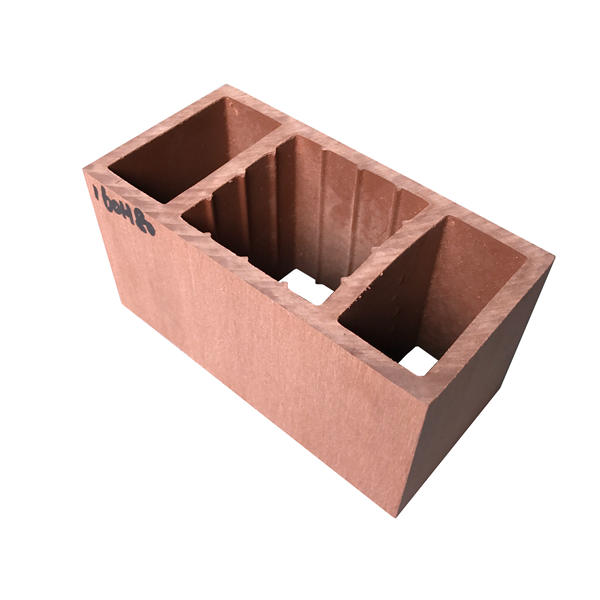
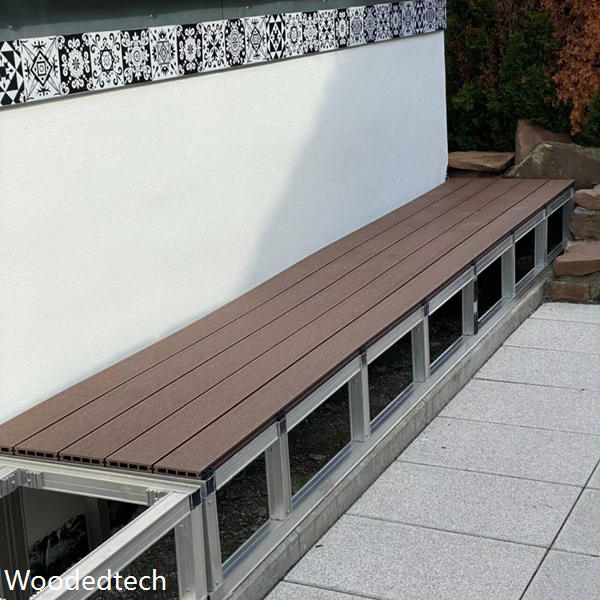
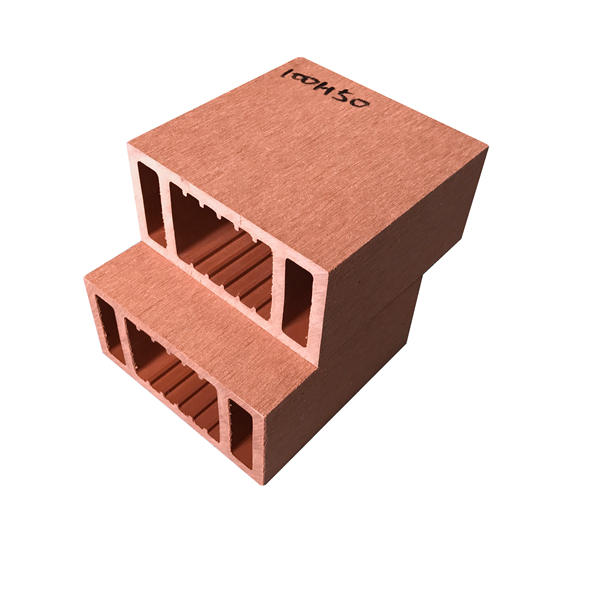
Kunststoff-Holz-Verbundwerkstoff, oft als WPC (Holzkunststoff-Verbundwerkstoff) bezeichnet, kombiniert die besten Eigenschaften von Holz und Kunststoff, um einen vielseitigen Baustoff zu liefern, der sich ideal für Außenstrukturen eignet.Dieses innovative Material enthält recycelte Holzfasern und Kunststoff, was zu einem Produkt führt, das nicht nur die natürliche Ästhetik von Holz nachahmt, sondern auch eine verbesserte Haltbarkeit und Beständigkeit gegenüber den Elementen bietet.Bei der Prüfung von Optionen für moderne Außenbereiche kann die Wahl zwischen Kunststoffholz-Verbundloggie und traditionellem Holz den Wartungsaufwand und die Langlebigkeit erheblich beeinflussen.
Die Zusammensetzung von WPC ermöglicht es, verrottend, splittern und verziehen zu widerstehen, häufige Probleme im Zusammenhang mit konventionellem Holz.Diese Eigenschaft ist besonders vorteilhaft für Outdoor-Anwendungen, die variable Wetterbedingungen ertragen.Während traditionelles Holz regelmäßige Behandlungen und Wartung erfordert, um Verfall und Insektenschäden abzuwehren, können Kunststoffholz-Verbundkonstruktionen mit minimalem Unterhalt installiert werden, wodurch ihr Aussehen und ihre strukturelle Integrität jahrelang erhalten bleiben.
Geringer Wartungsbedarf
Einer der überzeugendsten Vorteile von Kunststoff-Holz-Verbundloggia gegenüber Holz ist seine pflegeleichte Natur.Traditionelle Holzkonstruktionen erfordern erhebliche Aufmerksamkeit, von der Färbung und Versiegelung bis hin zu regelmäßigen Inspektionen für Verschleißerscheinungen.Hausbesitzer investieren oft viel Zeit und Geld in die Erhaltung der Schönheit und Funktionalität von Holz.Im Gegensatz dazu erfordert WPC nur gelegentliche Reinigung mit Seife und Wasser, um seine ästhetische Anziehungskraft zu erhalten.Dieser Komfort ermöglicht es Hausbesitzern, ihre Außenräume ohne die Last der ständigen Wartung zu genießen.
Darüber hinaus machen die inhärenten Eigenschaften von Kunststoff-Holz-Verbundwerkstoffen es beständig gegen Verblassen und Verfärbung, was bei Holzmaterialien, die dem Sonnenlicht ausgesetzt sind, ein Problem sein kann.Dies stellt sicher, dass das lebendige Aussehen einer WPC-Loggia intakt bleibt, ohne dass im Laufe der Zeit kostspielige Behandlungen erforderlich sind.Da die Wohnräume im Freien immer beliebter werden, beschleunigt die Attraktivität von pflegeleichten Materialien die Umstellung auf WPC-Lösungen.
Langlebigkeit und Haltbarkeit
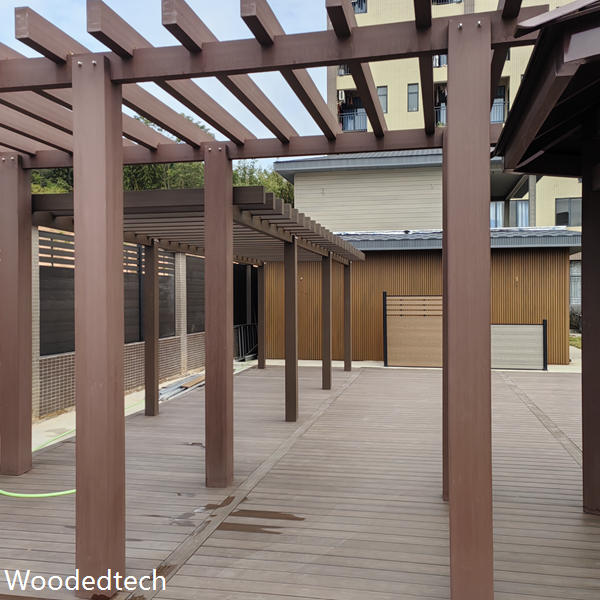
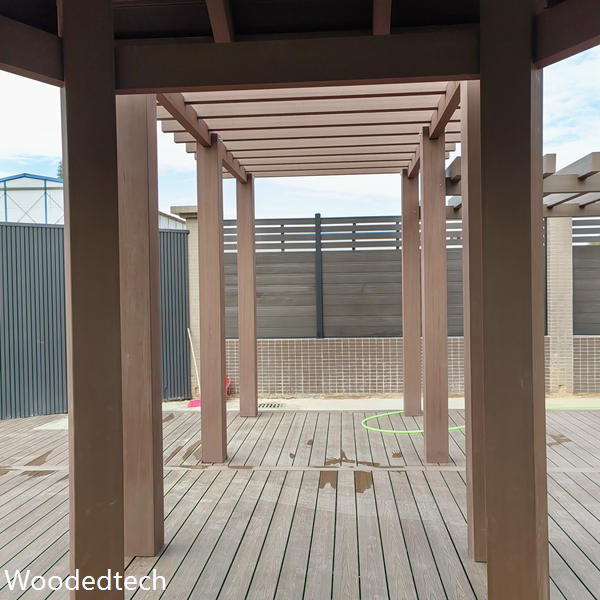
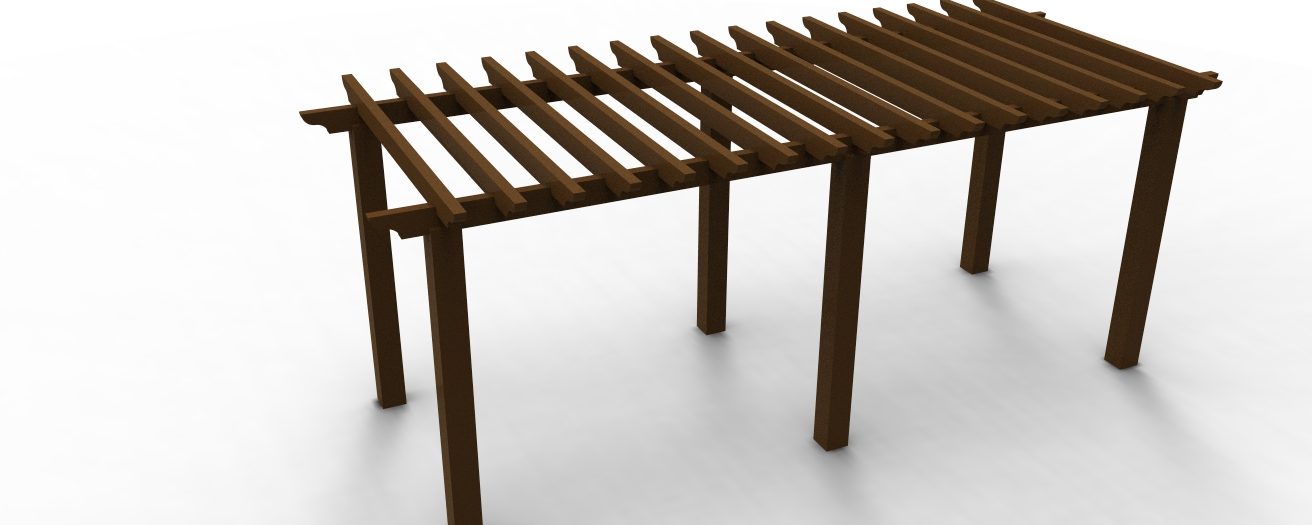
Beim Abwägen der Optionen von Kunststoff-Holz-Verbundloggia vs. Holz kann man die Lebensdauer und Haltbarkeit dieser Materialien nicht ignorieren.WPC wurde entwickelt, um den Strapazen von Außenumgebungen standzuhalten.Seine Beständigkeit gegen Feuchtigkeit, Insekten und extreme Temperaturen sorgt dafür, dass Strukturen wie Pergolen, Pavillons und Zäune jahrzehntelang funktional und optisch ansprechend bleiben.Im Vergleich dazu kann Holz unter Fäulnis und Insektenbefall leiden, der oft einen frühen Ersatz erfordert.
Viele WPC-Produkte haben Garantien, die sich über bis zu zwanzig Jahre oder mehr erstrecken können, was das Vertrauen des Herstellers in seine Haltbarkeit widerspiegelt.Diese lange Lebensdauer ist nicht nur eine kostengünstige Lösung, sondern auch Sicherheit für Hausbesitzer, die in ihre Außenräume investieren möchten, ohne häufige Reparaturen oder Ersatz zu befürchten.Die Wahl einer Kunststoff-Holzverbundloggia bedeutet, sich für eine Lösung zu entscheiden, die Langlebigkeit verspricht und gleichzeitig die Schönheit bewahrt.
Umwelterschenktungen
Da Nachhaltigkeit weltweit zu einem drängenderen Anliegen wird, stehen die Umweltauswirkungen von Baumaterialien im Mittelpunkt.Kunststoff-Holz-Verbundloggia ist eine umweltfreundliche Wahl, da sie recycelte Materialien verwendet und zur Abfallreduzierung auf Deponien beiträgt.Die Wahl von WPC über traditionellem Holz trägt auch dazu bei, den Bedarf an Neuholz zu reduzieren, das häufig aus umweltsensiblen Bereichen stammt.Dieser nachhaltige Ansatz passt gut zum wachsenden Trend zu umweltverträglichen Baupraktiken.
Darüber hinaus ist WPC recycelbar und fügt seinem Profil eine weitere Ebene der Nachhaltigkeit hinzu.Wenn die Zeit für ein Upgrade oder einen Wechsel kommt, kann Kunststoff-Holz-Verbundwerkstoff wiederaufbereitet und wiederverwendet werden, im Gegensatz zu vielen Holzprodukten, die möglicherweise verworfen werden.Für umweltbewusste Käufer ist die Wahl einer Kunststoff-Holzverbundloggia nicht nur praktisch, sondern eine verantwortungsvolle Entscheidung, die ein Bekenntnis zur Nachhaltigkeit widerspiegelt.
Design Vielseitigkeit
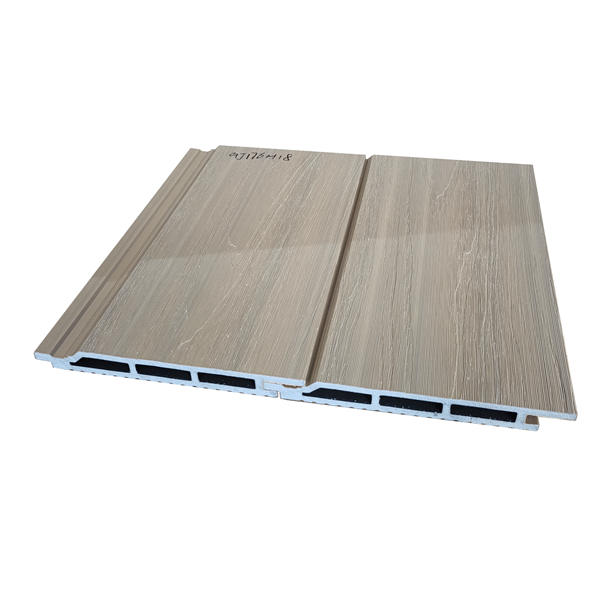
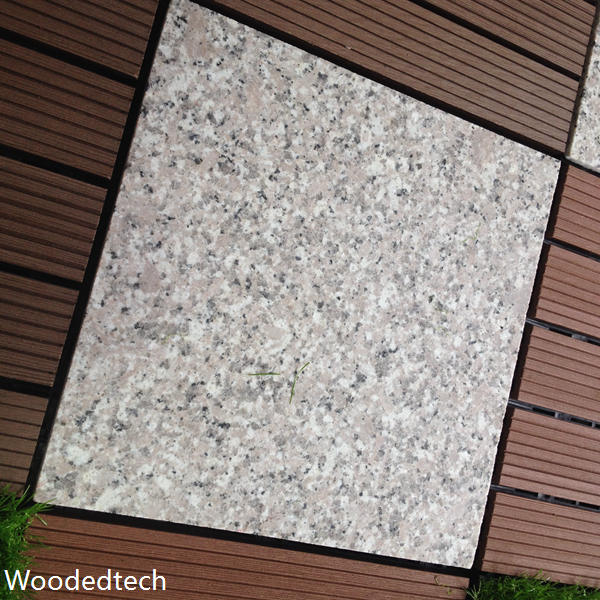
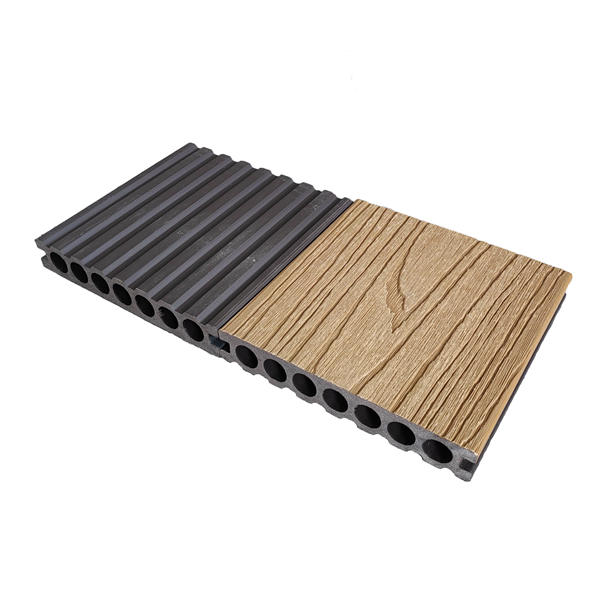
Die ästhetische Anziehungskraft einer Struktur ist eine wichtige Berücksichtigung für Hausbesitzer, die ihre Außenräume verbessern möchten.WPC bietet eine Reihe von Gestaltungsmöglichkeiten, die verschiedene Architekturstile ergänzen können.Kunststoff-Holzverbundwerkstoff, der in einer Reihe von Farben und Oberflächen erhältlich ist, kann sich mühelos in die natürliche Umgebung einfügen und gleichzeitig das Aussehen von traditionellem Holz bieten.Anpassungsoptionen ermöglichen die Schaffung einzigartiger Outdoor-Umgebungen, die auf individuelle Vorlieben zugeschnitten sind.
Für moderne Wohnräume im Freien ist die Flexibilität, Materialien auszuwählen, die mit dem persönlichen Stil übereinstimmen, unerlässlich.WPC kann leicht zu schlanken, zeitgenössischen Designs oder rustikalen, traditionellen Looks verarbeitet werden, was es für verschiedene Geschmäcker geeignet macht.Ob ein ausgeklügelter Pavillon für Versammlungen oder eine einfache, aber elegante Fechtenlösung, Kunststoff-Holzverbundloggia präsentiert sich als anpassungsfähige Option.
Kosten-Effektivität Im Laufe Der Zeit
Während die anfängliche Investition in Kunststoff-Holz-Verbundloggie etwas höher sein kann als herkömmliches Holz, sind die langfristigen Einsparungen und Vorteile unbestreitbar.Reduzierte Wartungskosten, gepaart mit der verlängerten Lebensdauer von WPC, machen es zu einer finanziell klugen Wahl für Hausbesitzer.Die Beseitigung regelmäßiger Behandlungen und Reparaturen spart nicht nur Zeit, sondern reduziert auch die mit der Instandhaltung verbundenen Aufwendungen erheblich.
Darüber hinaus stellen die Haltbarkeit und Beständigkeit gegen widrige Bedingungen sicher, dass Hausbesitzer nicht mit den unerwarteten Kosten für den Austausch von verschlechterten Materialien konfrontiert werden.Dieser wirtschaftliche Aspekt der Kunststoff-Holz-Verbundloggie macht es zu einer attraktiven Option für diejenigen, die ihre Außenräume verbessern möchten, ohne anhaltende finanzielle Belastungen zu erleiden.