WPC Rhombus Fassade مقارنة مع الأخشاب والألومنيوم وغيرها من الكسوة
Material Choices Behind a Rhombus Façade
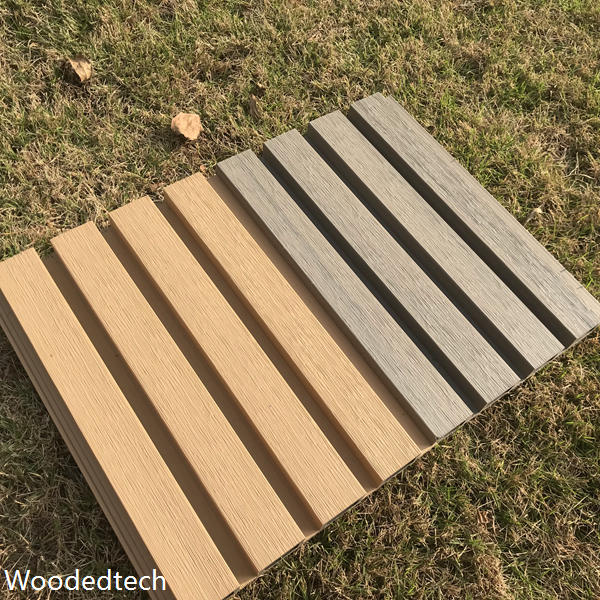
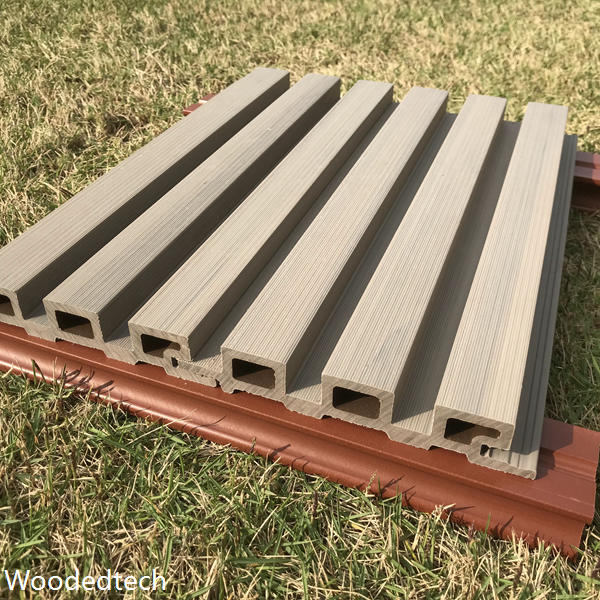
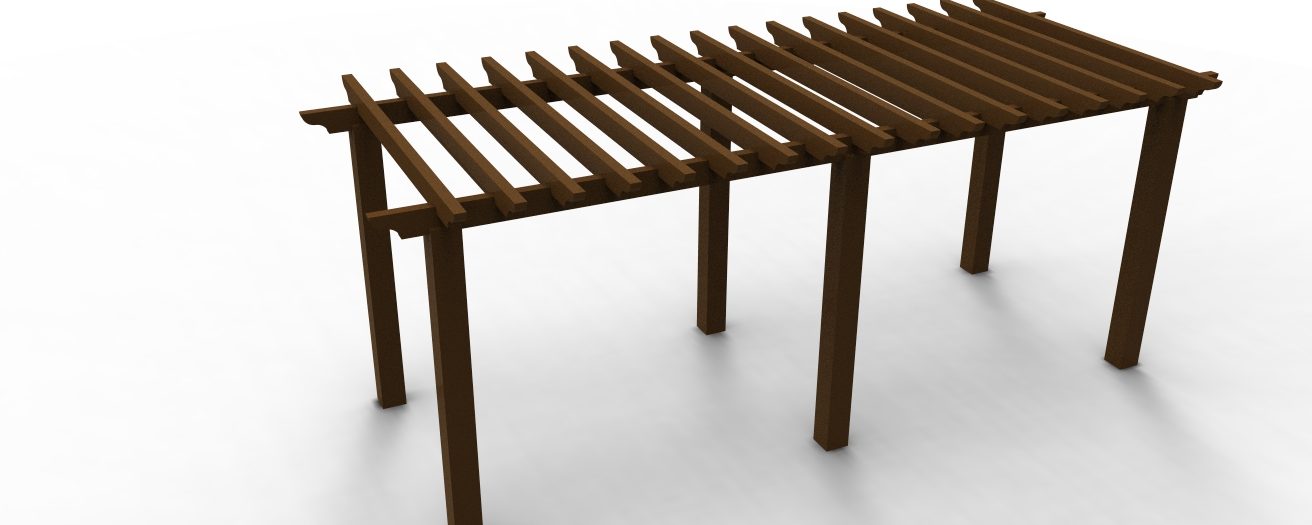
A rhombus façade creates depth through angled profiles, repeated shadow lines and carefully controlled spacing. Timber, aluminium and wood plastic composite can all achieve this appearance, but their environmental performance depends on sourcing, manufacture, installation and service life. For specifiers comparing wpc rhombus fassade systems, the useful starting point is the complete façade assembly, including support rails, fixings and any protective membrane behind open joints.
Outdoor WPC combines wood fibre or wood flour with a thermoplastic binder and additives. Its environmental appeal comes from the potential to use recovered feedstocks while reducing routine coating requirements. Those benefits deserve scrutiny, however: recycled content alone does not establish a lower carbon footprint or guarantee that a product suits every building.
Recycled Content and Reduced Timber Demand
Some WPC profiles incorporate sawmill residues, recovered wood processing material and recycled polyethylene or polypropylene. These inputs can give useful value to material streams that might otherwise face disposal or lower value uses. Purchasing teams should request declared recycled percentages by mass, distinguish preconsumer from postconsumer sources, and check whether supporting documentation covers the supplied product.
Using wood particles within a composite can reduce demand for solid timber boards, particularly where decorative consistency would otherwise require selective grading. It does not eliminate wood consumption, and the polymer fraction still carries environmental impacts. Responsibly sourced timber from well managed forests remains a credible alternative, especially when local supply, efficient processing and a suitable durability class support a long service life.
Durability Compared with Timber Cladding
Timber offers natural variation, repairability and familiar machining methods. Untreated surfaces can weather attractively, although colour changes may be uneven beneath overhangs or around fixings. Where a consistent finished colour is required, cleaning, inspection and recoating become part of the maintenance plan. Timber species, detailing and exposure determine how frequently intervention is needed.
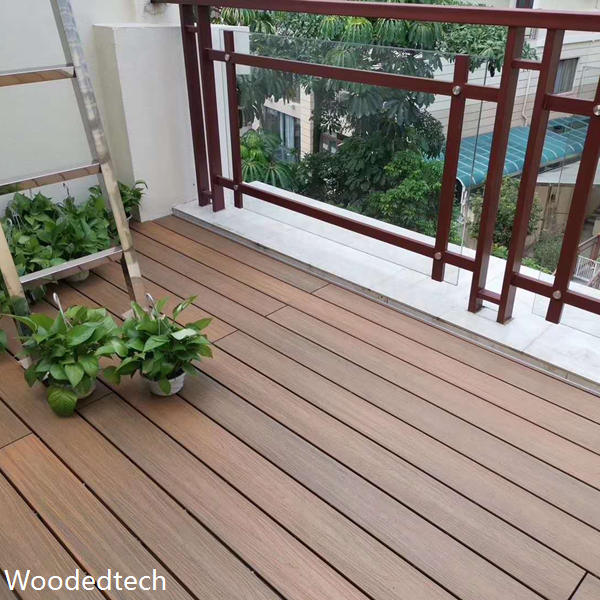
WPC generally absorbs less moisture than untreated wood, but its behaviour varies with formulation, density and profile design. It can still experience mould on surface deposits, staining, fading and thermal movement. Quality control should therefore assess moisture uptake, dimensional stability and weathering performance. Correct ventilation and drainage remain essential: a durable board cannot compensate for water trapped within a poorly detailed façade.
Aluminium, Fibre Cement and Other Alternatives
Aluminium rhombus profiles offer precise geometry, low weight and resistance to biological decay. Primary aluminium production is energy intensive, while recycled metal content and electricity sources can substantially change its environmental profile. Aluminium also has established recycling routes in many markets. Comparisons should use product specific environmental declarations wherever available, with consistent assumptions for service life and replacement.
Fibre cement provides a mineral appearance and can offer favourable fire performance, although weight, cutting requirements and edge detailing affect installation. PVC cladding offers moisture resistance with different stiffness and thermal movement characteristics. WPC occupies a useful position where clients want a wood related texture and limited coating work, but environmental superiority cannot be assumed across all formulations, transport distances and building types.
Maintenance, Installation and Safety Requirements
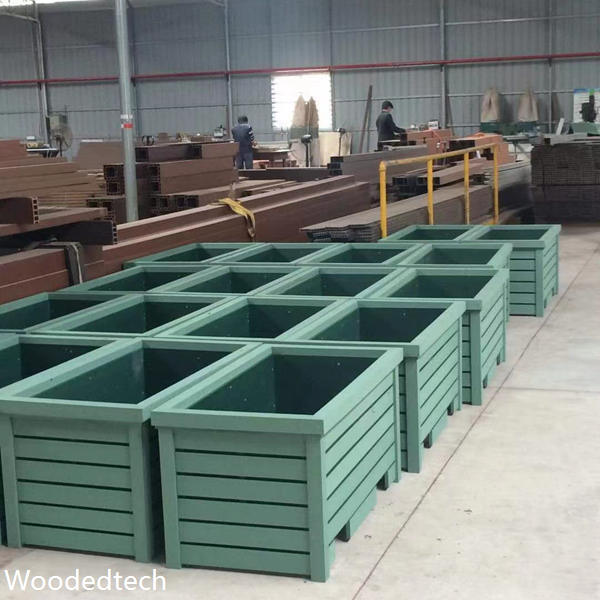
Reduced maintenance can lower the use of stains, paints and associated packaging during a façade’s life. WPC usually needs periodic washing rather than scheduled refinishing, subject to manufacturer guidance. Gentle cleaning also helps remove airborne dirt and organic deposits. Owners should budget for access and inspection, since hidden fixings, support rails and drainage paths need attention regardless of the visible cladding material.
Installation teams must follow specified fixing centres, expansion clearances and permitted profile spans. Dark surfaces and strong sunlight can increase thermal movement. Open joint designs require suitable backing membranes, while cavity barriers and the fire classification of the complete assembly need verification against local regulations. WPC contains combustible constituents, so its suitability must be established for the proposed building and jurisdiction.
Evidence for Sustainable Specification
A defensible specification connects environmental claims to measurable evidence. Request feedstock traceability, relevant test reports, warranty conditions and an environmental product declaration where available. Compare equivalent façade areas over the same reference period, including subframes, finishes, cleaning and likely replacement. This approach helps designers and procurement teams identify benefits that survive beyond a recycled content headline.
End of life planning should also be practical. Ask whether the supplier accepts removed profiles, which contaminants prevent recovery and whether local facilities actually process that composite. Accessible mechanical fixings can support dismantling and selective replacement. For a wpc rhombus fassade project, documented material inputs, suitable detailing and a credible maintenance plan provide a sound basis for choosing WPC alongside responsibly sourced timber and other established cladding options.