كيفية اختيار دليل سعر غطاء ممشى الخشب المركب للمشاريع الخارجية
Choosing the Right Composite Wood Walkway
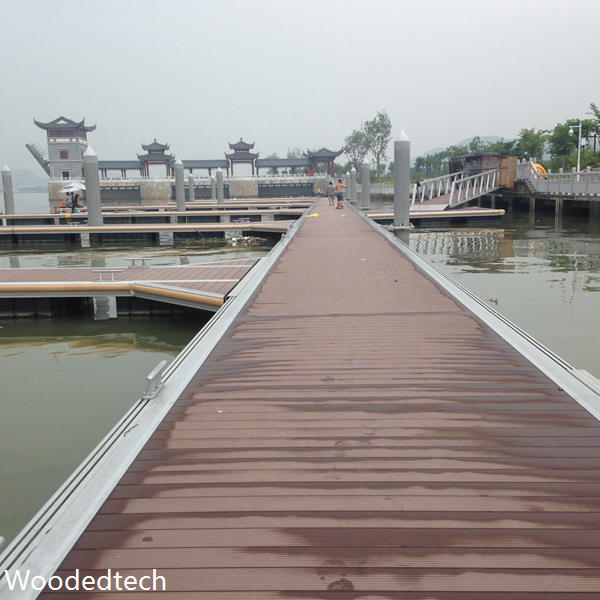
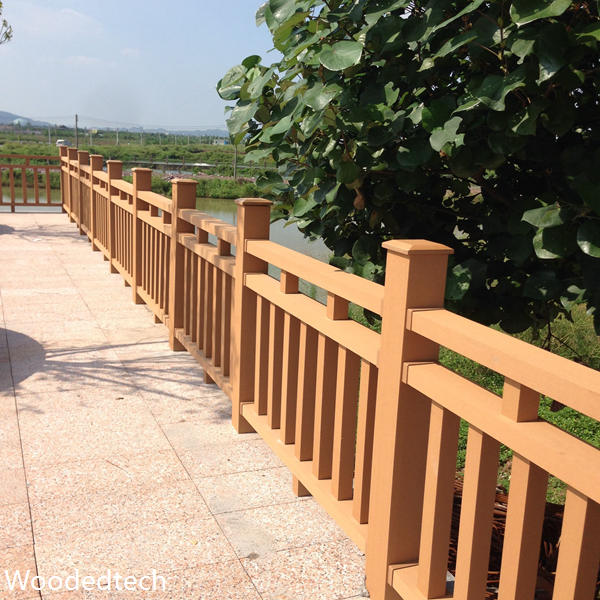
Composite wood walkways have become increasingly popular due to their durability and aesthetic appeal. When deciding on the right type for outdoor projects, it is essential to consider various factors, including the composite wood walkway cover price guide. This guide will help you evaluate costs alongside quality, ensuring your investment meets long-term expectations without compromising on visual appeal.
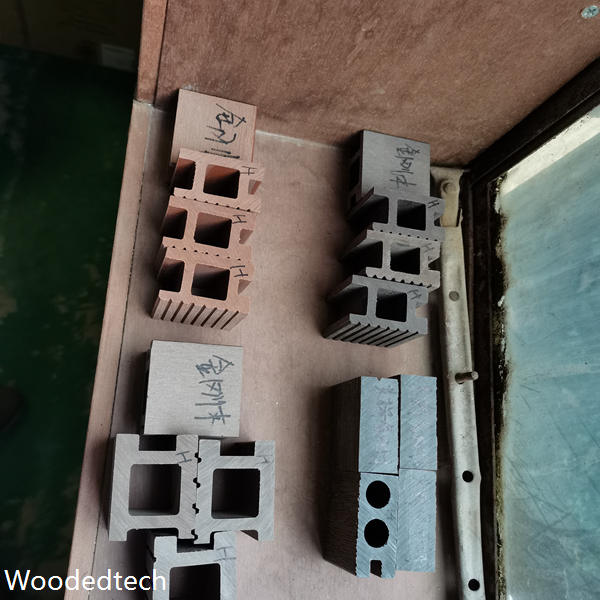
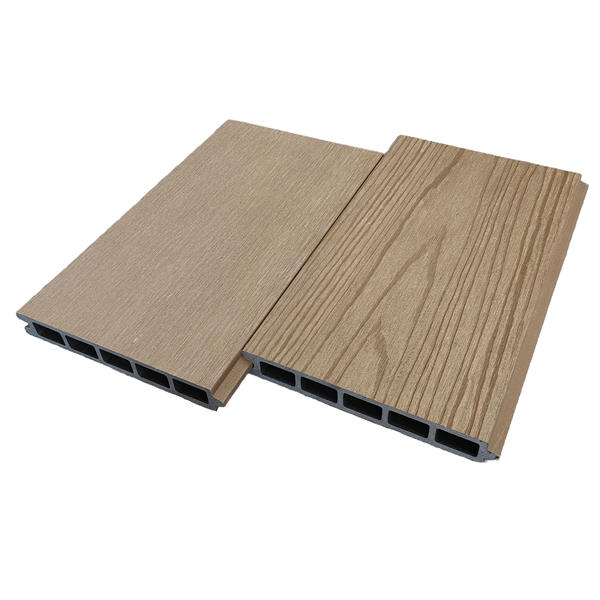
The first step is understanding the materials used in the composite wood. Typically, these products are made from a blend of wood fibres and recycled plastic, resulting in a sturdy, weather-resistant surface. It is advisable to obtain samples from different manufacturers to assess texture, colour, and overall finish. Ensure that the chosen material complements the surrounding environment and aligns with your design vision.
إعداد الإطار الفرعي للتركيب
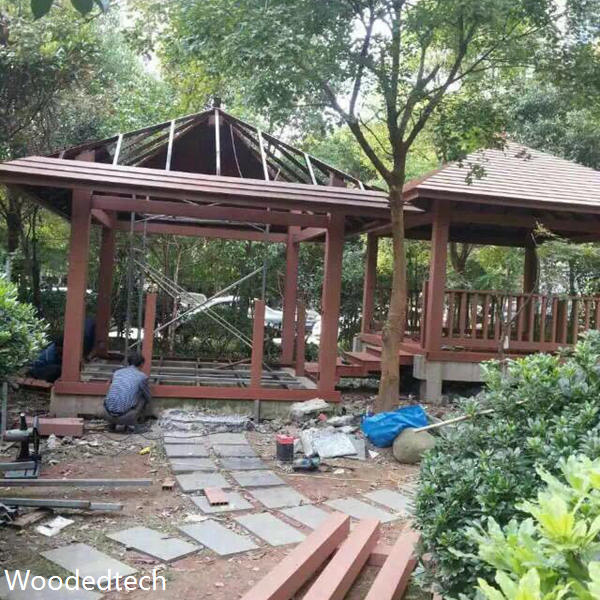
The success of your composite wood walkway is heavily reliant on proper subframe preparation. Start by assessing the ground conditions; the area should be level and appropriately drained to prevent water accumulation. If the terrain is uneven, consider excavating or adding gravel to create a stable foundation. Using pressure-treated timber or a durable metal frame for the substructure is recommended, as this will enhance longevity.
Once the subframe is installed, it is crucial to ensure that it is adequately spaced to support the walkway planks. Typically, joists should be placed at intervals of 40-60 cm, depending on the thickness of the decking boards. This spacing will contribute to the overall stability and performance of the walkway.
Fixing Methods and Expansion Gaps
When it comes to fixing methods for composite wood, there are several options to consider. Hidden fasteners are a popular choice as they provide a clean finish while allowing for natural expansion and contraction of the material. Alternatively, traditional screws can be used, but it is essential to pre-drill to avoid splitting the boards. Both methods should ensure that the boards are securely attached to the subframe, providing a sturdy walking surface.
Expansion gaps are equally important in composite wood installations. These gaps allow for the natural expansion of the material in response to temperature changes. A recommended gap of at least 5 mm should be maintained between the ends of the boards and any adjoining structures or walls. This practice will prevent warping or buckling over time, ensuring the walkway remains functional and aesthetically pleasing.
Cutting Composite Wood Boards
Cutting the composite wood boards requires precision to ensure a clean finish and to avoid damage. A circular saw or a mitre saw fitted with a fine-tooth blade is ideal for this task. Always measure twice before cutting to ensure accuracy. For intricate designs or corners, a jigsaw may be necessary, but again, ensure you are using the correct blade to prevent splintering.
After cutting, it is wise to sand the edges lightly to prevent sharp corners and to ensure a smooth fit with adjoining boards. This attention to detail not only enhances safety but also improves the overall aesthetics of the walkway.
نصائح الصيانة لطول العمر
Additionally, it is advisable to inspect the walkway periodically for any loose boards or signs of wear. Addressing minor issues promptly can help prevent more significant problems down the line, ensuring that your investment remains in top condition for years to come.